
Common Mistakes When Installing a Can Light Fixture (And How to Get It Right)
There’s a certain magic to well-placed can lighting—how it bathes your hallway in a subtle arc of light as dusk settles in, how it flatters the art you love, or makes that morning coffee at the kitchen island feel just a touch more golden. And yet, this everyday staple is one of the fixtures most prone to design and installation mistakes. Whether you’re refreshing your living room or finally creating that spa-like bathroom sanctuary, a can light fixture (also called recessed lighting) can make or break your space.
Let’s cozy up and chat through the most common pitfalls—those avoidable missteps that crop up in mood boards, plans, and builder punch lists far too often. Because at Afralia™, we believe every detail matters in creating a home that feels both elevated and true to you.
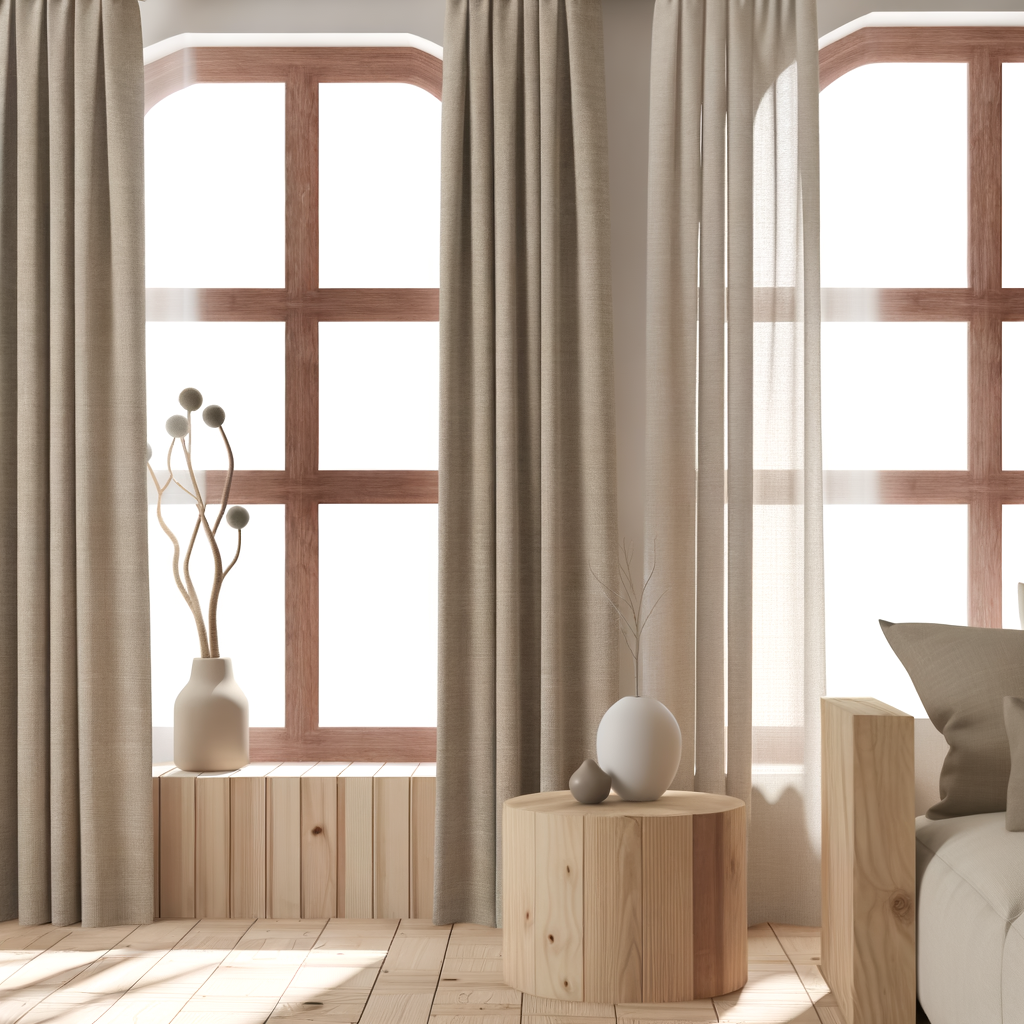
Picture this: a softly sunlit living room with a linen sofa, woven jute rug, and a series of modern can lights washing the wall in gentle, atmospheric light. (Save that scene for your Pinterest board, or better yet, make it your own.)
Spacing and Layout: When Can Light Fixtures Miss the Mark
There’s an art to laying out can lights. Too many, and your ceiling starts to resemble a runway—a grid of harsh, unflattering glares. Too few, and you’re left with shadowy pockets, where beautiful textures and colors disappear at dusk.
Here’s the trick: always plan your layout before you cut a single hole. A classic guideline is to space fixtures about half the ceiling height apart (so if your ceiling’s 8 feet high, start your math at 4-foot intervals). Zones like dining rooms or entryways might need a different approach, with can lights gently accenting art, sconces, or a statement pendant, rather than working alone.
“Don’t rely on can lights alone to create ambiance,” says Lena, stylist at Afralia. “I love combining them with pendant lighting over the dining table, or sconces in the hallway, for that layered, magazine-worthy look.” As noted by Dezeen, layered lighting creates dimension and elegance—think pools of warm light, highlights on your favorite ceramics, and gentle glows that calm the senses.
Choosing the Right Trim and Bulb for Your Can Light Fixture
It’s easy to overlook the importance of trims and bulbs—after all, they’re tiny details, right? Yet, these little choices shape the entire feeling of space. A matte brass trim brings a cozy, old-world glow to bedside nooks; a crisp black edge grounds a modern, gallery-style entryway. Be sure to select trims that complement your finishes and reflect the mood you crave.
Equally important: the bulb. Soft white bulbs (2700–3000K) add inviting ambiance to bedrooms or living rooms, while daylight bulbs are perfect for task-oriented spaces like kitchens. And always check the compatibility of LED bulbs with dimmers. Who hasn’t shivered under harsh, blue-tinged lighting that drains the warmth from even the prettiest room?
It’s a lesson one of our clients, Samira, learned after swapping the builder-grade bulbs in her reading corner for warm, dimmable LEDs. She now tucks in with a novel beneath a soft, golden pool of light—a small change that’s utterly transformed her evening ritual.
Installation Mistakes: Avoiding the Most Common Pitfalls
Can light fixtures may seem deceptively simple to install, but there are a few crucial points where even the most enthusiastic DIYer can stumble. First up: wiring. If you’re not 100% confident with electrics, bring in a pro—your safety (and your ceiling!) is worth it.
Even if you’re comfortable with basic installation, check for insulation-rated (IC) fixtures. Without the right rating, a fixture could overheat if surrounded by attic insulation—never a good look. And seal around the fixture to prevent air leaks, which waste energy and let in drafts (a detail you’ll notice every chilly winter morning).
Have you ever finished a project, stepped back, and realized the lights feel…off? Maybe one can sits awkwardly close to a beam, drawing unwanted attention, or a pair create unflattering shadows across a gallery wall. Before you get out that drywall saw, take a moment to mark with painter’s tape and stand back at various times of day. The right placement can make all the difference.
Designing with Can Lights: Where They Work Best
Not every room needs a grid of can lights. In fact, some spots sing with less—think a pair of recessed fixtures over a kitchen island for focused prep, or a series along a hallway to draw the eye forward, gently illuminating artwork and architectural details.
For the coziest result, try can lighting in combination with decorative fixtures. Living rooms often come alive with a mix of recessed spots and sculptural table lamps, while bedrooms feel instantly more inviting with wall sconces and an artful bedside can above a reading chair.
Does your new fixture belong in the bath? Opt for models rated for damp locations, and consider how the direction of light will interact with mirrors, tiles, and tranquil morning routines. Real life is tactile, so notice how materials—walnut vanities, marble tiles—reflect and bounce light throughout the day.
Your Sensory-First Checklist for a Perfect Can Light Fixture
Ready to reimagine your space? Here’s our warm, design-savvy checklist:
- Map your layout: Start with purpose, not habit. Why are you adding each can light? What will it illuminate?
- Choose trims and bulbs for warmth and style. Don’t default to builder basics.
- Layer lighting for dimension: Add wall sconces, pendants, or table lamps alongside your recessed fixtures.
- Test your layout: Use tape or cardboard circles before any cutting begins. Walk the space at morning, afternoon, and evening.
- Hire a pro for wiring, especially in older homes—or if you’re even slightly unsure.
- Seal and insulate properly for safety and comfort.
Remember, every can light is a chance to infuse your home with personality. Will it softly brighten your next bedtime story? Highlight a textured canvas? Welcome friends to your entryway with a warm, golden wash? The best lighting doesn’t just illuminate; it creates mood, memory, and meaning.
Find your glow.
For more lighting inspiration or to shop premium pieces for every room, follow along with Afralia™ or explore recent projects at Architectural Digest.