
Common Mistakes When Replacing a Ceiling Fan Light Fixture (And How to Avoid Them)
Swapping out a ceiling fan’s light fixture can feel a bit like remixing the vibe of an entire room—suddenly, shadows shift, warmth pools where it once merely glimmered, and the ceiling itself comes alive. Whether you're upgrading that builder-basic fixture above your dining table or fine-tuning the bedroom ambiance with a splash of modern drama, learning how to replace a ceiling fan light fixture is almost a mini-renovation in itself.
Yet, for so many design lovers, this small transformation is tripped up by common DIY mistakes. Let’s untangle them together. Grab a mug of your favorite blend and settle in—there’s something soothingly satisfying about getting both the design and the details right.
Overlooking Safety Steps: The Golden Rule of Ceiling Fan Light Replacement
First things first: safety isn’t negotiable. It’s tempting to charge ahead, but rushing is like hanging a velvet curtain without checking the rod—painful in hindsight. Before you do anything, always turn off the circuit breaker to the fan. Don’t trust just the wall switch—there’s still a live wire waiting for a surprise. Confirm the power’s off with a voltage tester.
“Whenever I replace a customer's ceiling fan light, I treat the prep ritual as sacred,” shares Lena, stylist at Afralia™. “A little patience and respect for the wiring lets you focus on the graceful little details—the soft sweep of glass, or the warmth of a brass dome—without worry in the back of your mind.”
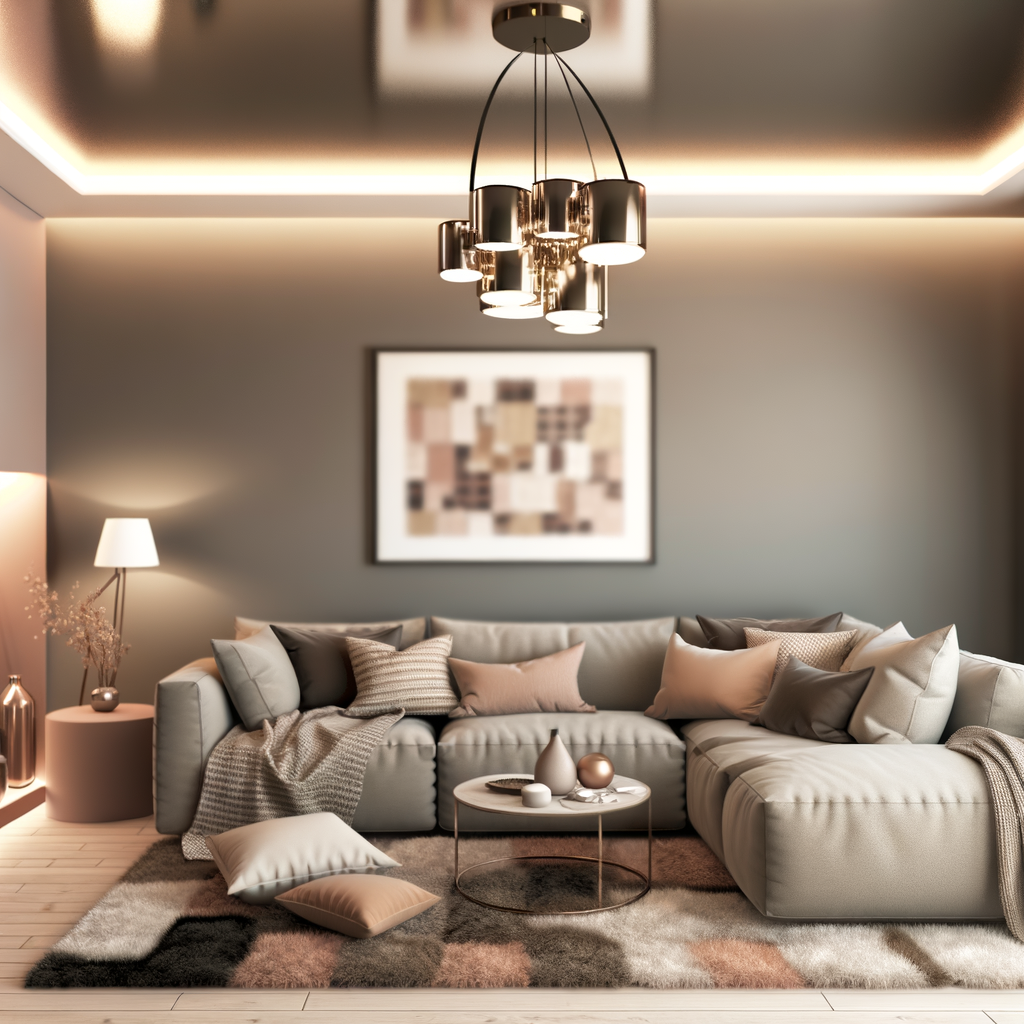
This approach is especially important in busy central spaces like living rooms, where elegance and safety must coexist. We love seeing your lifestyle images (hello, Pinterest!) featuring bold pendants shimmering over dinner parties or relaxed family gatherings, always shining safely above it all.
Choosing the Wrong Fixture for Your Ceiling Fan: Looks & Logic Must Meet
Let’s talk style and function—because the perfect fixture isn’t just pretty; it’s right for your fan. Ceiling fans come with specific mounting requirements, and not all light kits or shades are compatible. Sometimes, a quick impulse buy (“That globe shape is divine!”) leaves you with a fixture that either won’t attach or wobbles with every spin.
It’s wise to check three things: mounting compatibility (does the new fixture match your fan base?), weight (too heavy can strain the fan motor), and bulb type (some fans are picky about LED or incandescent options). If you’re eyeing a daring new dining glow—or a serene reading nook in your bedroom—double-check the dimensions and attachment type. Bonus tip: bring your old fixture’s model numbers when you shop, or snap a quick phone pic of its wiring.
Wondering if an elevated look is possible without replacing your whole fan? Of course! As Dezeen points out, a thoughtfully chosen lighting piece can anchor a space and express your taste—without total upheaval.
Ignoring Wiring Details: Gentle Hands Make For Beautiful Results
Here’s where even seasoned home improvers can falter: mixing up the wires, or skipping the little connectors. That tangle of neutral and live wires can be intimidating—but in good design, even the unseen deserves care.
Follow the instructions for both your fan and your new fixture. Typically, white connects to white (neutral), black or blue to the lighting wire, and green or bare for ground—but brands and models can vary. Secure each with a wire nut, twist gently, and tuck them neatly into the canopy. A little tidiness here means no bulging, awkward gaps when you reattach the canopy—so everything sits flush, as it would on a magazine cover.
A recent Afralia™ customer shared a tip: “I labeled each old wire with masking tape before removing the original fixture. Reinstalling was faster, calmer, and I never second-guessed a single connection.” (We’re still smiling at her ‘before and after’ snapshot from her sunlit entryway.)
Forgetting to Think About Light Quality and Placement
The joy of a new fixture isn’t just aesthetic—it’s also in the glow. Too dim and your breakfast nook feels cavernous; too cold and the magic of dinner parties melts away. Think not just about how to replace a ceiling fan light fixture, but also what kind of light you want to live with every day.
Warm white bulbs (2700K–3000K) create softness and intimacy—lovely for bedrooms and living rooms where you want a gentle backdrop. Bright white (4000K) is energizing—ideal for kitchens or garages, but often too harsh for restful zones. Adjustable fixtures give you flexibility, letting you shift the mood from focused morning hustle to cozy evening wind-down.
As Architectural Digest often reminds us, lighting is about layering and story—each bulb and shade shaping the character of your space.
So—what’s the feeling you want to evoke each time you look up?
Skipping the Final Touches: Securing, Testing, and Styling
The last step matters: secure that canopy, gently tug wires to confirm snugness, and don’t forget to reinstall any fan balancing weights you may have removed. Double-check with the wall switch and the pull chain. Celebrate with a slow sweep of the blades and savor the new light as it pools across your surfaces—the matte brass catching a late afternoon glow, the frosted glass diffusing shadows just so.
And while you’re at it, why not style the area below? Explore our side tables or sculptural decor to complete the vignette—an inviting little tableau for morning coffee or midnight novels.
Remember: attention to these details turns a quick project into a small act of everyday artistry. The fixture isn’t just functional now—it’s an anchor, a mood-setter, a subtle reveal of your style. “It’s those tactile, finishing moments—when you step back and see the space transformed—that linger in your memory,” Lena muses. We couldn’t agree more.
So, next time your ceiling fan’s glow feels tired, let yourself imagine not just how to replace a ceiling fan light fixture, but how to do it with intention, avoiding the usual stumbles. You’ll love the difference not just in brightness, but in how your home feels every day.
Explore our handpicked lighting pieces.