
Room-by-Room Guide to How to Remove Light Fixture
There’s something quietly thrilling about transforming a space—and often, it starts above your head. Changing a light fixture isn’t just a task on the to-do list; it’s the first brushstroke on a new canvas. At Afralia™, we believe swapping out lighting should feel less like a chore and more like the start of a fresh, personal journey for each room you redecorate. Whether you’re moving, renovating, or simply craving something new beneath your fingertips, this room-by-room guide on how to remove light fixture will help you move with confidence, care, and a designer’s eye for detail.
Ready to learn the gentle art of letting go? Let’s glide from room to room—power off, tools in hand, and style in your heart—so you can make space for what comes next.
Lighting and Letting Go: Preparing Your Home for Change
Before rolling up your sleeves, let’s talk grounding… and not just for wires. Consider the atmosphere you want for each space. Maybe the dining room needs a new spark, or the entryway yearns for a welcoming glow. The type of fixture—pendant, flush-mount, sconce—changes the dance, but the ritual is the same: safety, patience, and anticipation for your next look.
- Turn off power at the breaker (not just the wall switch!).
- Let fixtures cool if they’ve been on—you want comfort, not scorched fingers.
- Gather tools: screwdriver, step stool, gloves, voltage tester.
- Set down a soft towel or blanket—lights, like memories, can be fragile.
“A change of fixture is a conversation between old and new,” shares Lena, stylist at Afralia. “It’s not about the light alone—it’s about what you’re inviting in. Approach it like you’d move a cherished vase: gently, thoughtfully, open to what might come next.”
How to Remove Light Fixture in the Living Room
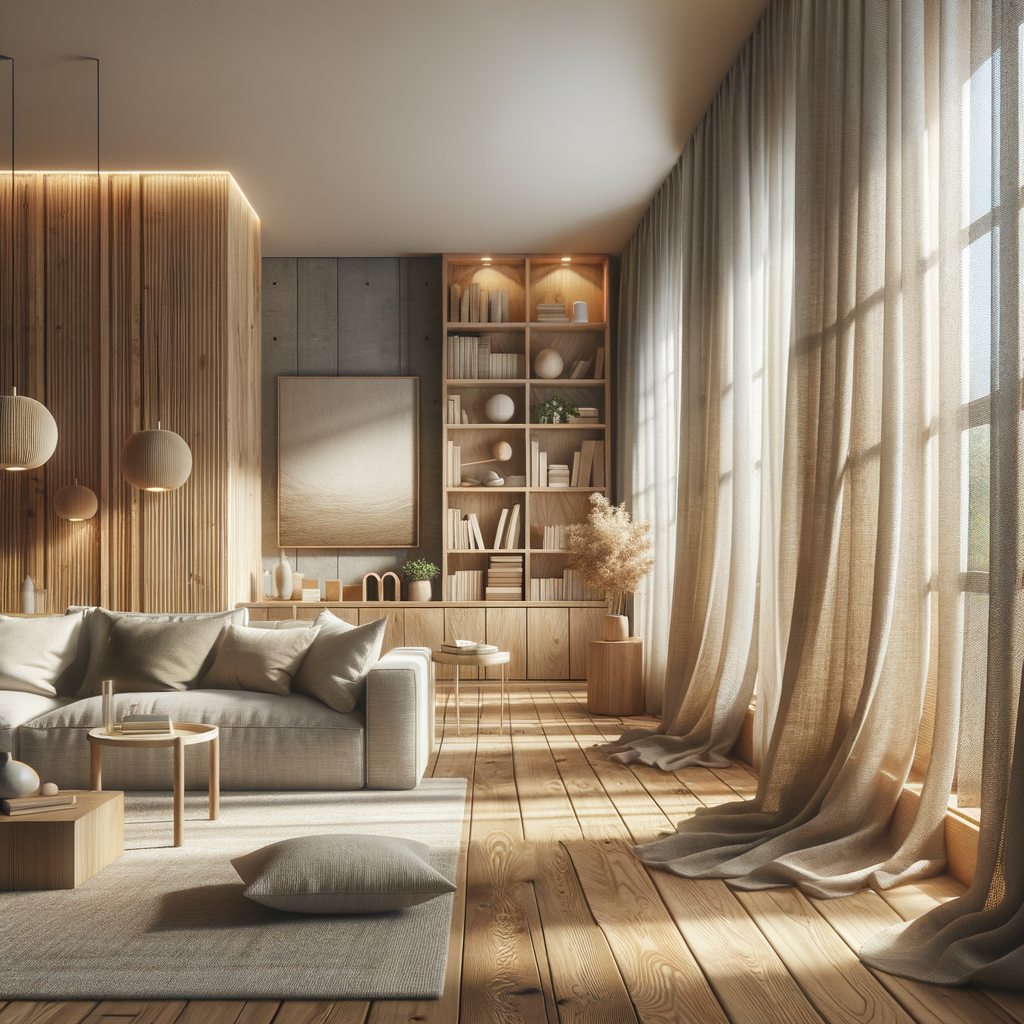
The living room is where the story unfolds—game nights, music, laughter echoing in golden pools of light. Fixtures here often anchor the whole space, drawing eyes upward with sculptural elegance. Think of that matte brass statement pendant, or sculpted glass that catches evening sun.
When removing a living room light fixture, start with presence. Stand beneath, look up, and feel the room’s rhythm. Most overhead fixtures (like chandeliers or bold pendants) are attached with a canopy flush to the ceiling. Here’s how to move with intent:
-
Switch Off Power Completely:
- Head to the circuit breaker and switch off the room’s power. Then test wires with a voltage tester—no surprises, please.
-
Remove Bulbs and Shades:
- Unscrew bulbs and gently lift off glass shades or diffusers. Place them on your towel; the sound of glass-on-fabric is oddly soothing, isn’t it?
-
Loosen the Canopy:
- Most fixtures have small screws at the base (often decorative caps). Loosen these and carefully lower the canopy cover to reveal the wiring.
-
Disconnect Wires:
- Note (or photograph) wire placement. Gently untwist the wire connectors—black (hot), white (neutral), green or bare copper (ground).
-
Remove the Fixture:
- Support the weight as you undo the final screws holding the main fixture to the bracket. Lower it slowly—the anticipation hangs in the air before it comes free.
Sometimes, removing a living room fixture is a bittersweet farewell; other times, it’s pure excitement, like clearing a stage for a brand new act. Curious what statement lighting can do here? Explore our pendants for pieces that will transform your next gathering.
How to Remove Ceiling Lights in the Kitchen & Dining Room
Think about how you greet the morning in your kitchen: the gentle click of a switch and the first warm glow spilling across countertops, catching flecks of marble or the sheen of tiled backsplash. Kitchens and dining rooms often feature flush mounts, semi-flush fixtures, or dazzling chandeliers. Each comes down just a little differently, but the steps share the same reassuring logic.
-
Cut Power. Confirm!
- As always, start at the circuit breaker, and double-check with a voltage tester.
-
Remove Bulbs or Covers:
- Twist off or unclip glass diffusers (often slightly springy). Some flush mounts have central decorative nuts—unscrew gently to avoid slips.
-
Disengage the Fixture Base:
- There may be visible screws or clips holding the main base to the ceiling. Support the fixture with one hand while unscrewing with the other—a little athletic poise goes a long way here!
-
Disconnect Wires and Lower:
- Repeat the wire-untwisting ritual: black, white, ground. Lower the whole affair onto your waiting towel.
Rhetorical moment: Isn’t it amazing how kitchen lighting often frames our most ordinary, yet cherished, moments—morning coffee, late-night snacks, quiet conversations—under its gentle glow?
If you’re searching for a perfect ceiling refresh, “flush mounts can bring a clean, contemporary look and make even a small kitchen feel big with the right finish,” says Lena. Explore our flush mount lighting to brighten your dining moments and illuminate your favorite recipes.
Bedroom & Bath: Removing Sconces and Subtle Fixtures
There’s a quiet intimacy to bedroom and bathroom lighting. These spaces ask for softness—glows that usher in rest or inspire your morning ritual. Sconces by the bed or mirrors, slim pendants beside a vanity… their removal is a gentle meditation, too.
A customer tip we love: “Before removing a bedside sconce, I set a bowl on the nightstand to collect screws and tiny parts. It keeps things organized, and there’s less fumbling if something drops!” Consider adopting this small ritual in your own projects.
- Power Down. If you can, turn off power to the individual fixture and the whole room, just in case.
- Unscrew Shades or Covers. Cloth shades usually slip off; glass or metal may have one or two thumb screws. Give yourself a moment to appreciate the handiwork.
- Release the Fixture Base. For wall sconces, remove any faceplate screws and gently pull the fixture away from the wall to expose wiring.
- Disconnect Wires. Unscrew wire nuts (lefty-loosey!), and carefully set all hardware aside until you’re ready to dress the wall with something new.
This is the time to breathe, admire the shadow the fixture left behind, and imagine what’s next—maybe subtle wall sconces in frosted glass or hand-crafted ceramic. After all, as noted by Architectural Digest, layered lighting is the secret to a beautifully flexible space.
Entryway, Hall & Beyond: Removing Lighting from Unique Spaces
First impressions matter—whether you’re welcoming guests or savoring the silence at the end of the day. Entryway and hallway lights (pendants, flush-mounts, lanterns) can be both jewelry and invitation. Their removal follows the same ritual, but height or awkward angles make having a spotter (a helpful friend or family member) a wise choice.
- Carefully place your step stool or ladder—never overreach.
- Clear the entryway of side tables, art, or loose rugs for extra room.
- If the fixture’s extra weighty or ornate, consider two pairs of hands for safe removal.
In these high-visibility spaces, the reward is instant: a ceiling ready for something unexpected. If you dream of a conversation-starting piece at the front door, a chandelier can work wonders with a surprisingly compact footprint. As Dezeen notes, a well-layered entryway brings warmth and drama from the very first step inside.
Infographic Moment: Pin, Save, or Share!
If you’re a visual learner (or just love a good checklist), our Step-by-Step Infographic distills everything above into a single, artful glance. Bookmark it, pin it, or print out for your next lighting adventure. Good design isn’t just in the details—it’s in how we share ideas.
The Art of Making Space for What’s Next
Learning how to remove light fixture isn’t just a technical skill—it’s a gentle act of renewal. Each screw, each twist and unwinding of old filaments, is a tiny spark for what’s next—for the morning sun glancing off a fresh globe, or the velvet hush of evening under a hand-blown pendant from Afralia.
So whether you’re reimagining your kitchen island, setting a scene for slow Sundays in bed, or welcoming friends beneath a sculptural entryway light, trust yourself. Move softly, breathe deep. Removing a fixture is the first step to discovering your home’s next bright possibility.
Ready to fall in love with the next chapter? Start designing your dream space today.