
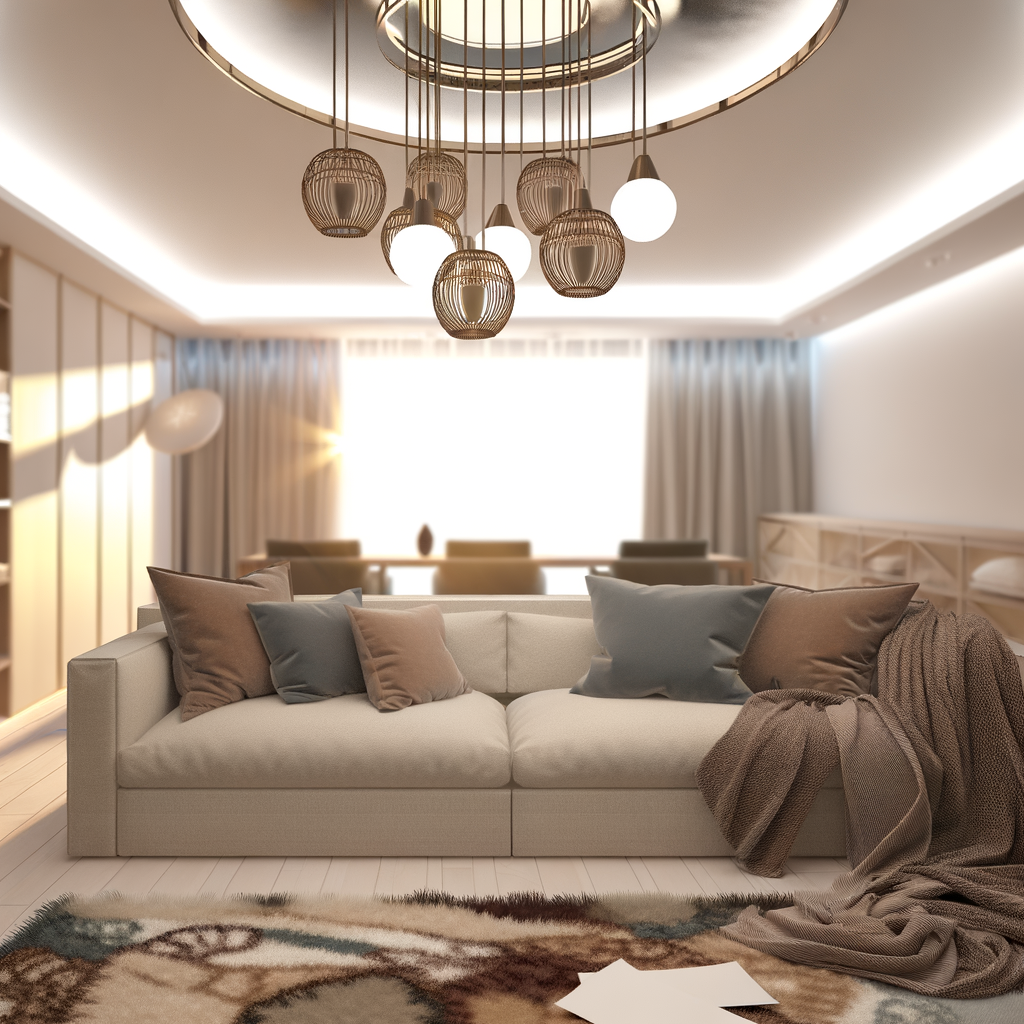
Step-by-Step: How to Replace a Light Fixture with a Ceiling Fan Checklist
There’s that familiar hush when you first step into a freshly updated room—the air feels lighter, promise flickers in every corner. Few upgrades deliver quite like a new ceiling fan: it tempers summer heat, brings visual dimension, and, oh, how it can transform the entire mood with a stylish, swirling centerpiece. If you’ve ever wondered how to replace a light fixture with a ceiling fan, you’re in the right place.
Today, let’s walk through this process together, coffee-in-hand, just like design enthusiasts swapping stories. We’ll get technical where needed, but mostly, let’s savor the details—the weight of cool brushed nickel, the gentle breeze as new blades sweep the ceiling. And yes, you’ll find our step-by-step infographic at the end, Pinterest-perfect for your project board.
Why Switch: From Static Light to Dynamic Ceiling Fan
Replacing a light fixture with a ceiling fan does more than change a bulb—it reinvents the energy of a space. Picture a sun-washed bedroom where afternoon air feels never-stuffy; an inviting living room with a fan that sings softly rather than simply illuminates. As noted by Architectural Digest, these subtle upgrades bring both comfort and style—layering texture, movement, and sculptural interest all at once.
Ceiling fans work wonders in bedrooms, living rooms, and even dining spaces—especially if you crave a blend of ambient lighting and gentle circulation. “A well-designed fan grounds a room, but with the right finish, it’s also an art piece overhead,” shares Lena, stylist at Afralia. Imagine it in your entryway, drawing the eye up with each slow, elegant revolution.
How to Replace a Light Fixture with a Ceiling Fan: The Preparation
Like any design-forward DIY, preparation turns the daunting into the doable. Here’s your tactile checklist:
- Tools & materials: Screwdriver set, wire strippers, voltage tester, ladder, ceiling fan kit (with mounting hardware), electrical tape.
- Safety: Turn off power at your home’s breaker box (never trust just the wall switch!). Test wires with a voltage tester—no tingles, only peace of mind.
- Support: Is your ceiling box “fan rated”? An ordinary fixture box won’t do. Fans have weight and motion—a rated box anchors everything with calm strength. (If changing it, this is your chance to add a fixture meant to last decades.)
- Unboxing: Unpack your new fan, lay out silky blades and gleaming hardware atop a soft towel. Touch each piece—notice the matte brass texture or the cool, modern graphite finish.
Don’t underestimate this part—it’s where design meets anticipation. One Afralia customer once shared, “Laying everything out on Sunday morning, coffee in hand, felt like opening a gift I’d chosen for myself.”
Step-by-Step: Replacing a Light Fixture with a Ceiling Fan
- Remove the previous fixture. Step onto your ladder and, with gentle patience, unscrew and lower your old light. Notice the change in acoustics now that the shade’s gone? Carefully disconnect the fixture wires.
- Assess wiring and box strength. Peek at the ceiling box—if it’s not fan-rated, now’s the perfect moment to upgrade. (Let an electrician swap boxes if you’re unsure.) Existing wiring should match your fan’s requirements.
- Install the mounting bracket. Secure the new bracket to the “fan box.” Run your fingertips over the hardware—sturdy, ready for its new role.
- Connect wires. Following your fan’s manual, usually black (fan), blue (light, if included), and white (neutral) get matched up. Twist wires tightly together and wrap with electrical tape, ensuring a reliable connection.
- Attach the fan canopy and blades. Lift the motor housing, secure it, then add each blade. Pause to appreciate how their shapes catch the light, echoing your decor’s lines.
- Secure the light kit (if included). If your ceiling fan includes lighting, install the kit per instructions, tucking the wires neatly.
- Install bulbs and glass shade. Choose warm-toned LEDs for a soft amber glow. Screw in, attach the glass, and step back.
- Restore power and test. Back to the breaker box, switch on, then delight in your handiwork—both lighting and breeze at your service.
(Don’t forget: our step-by-step infographic below is perfect for quick glances or a screenshot to pin for later.)
Finishing Touches: Styling and Placement Ideas
Where should your new fixture live? We love ceiling fans in airy bedrooms, where they whisper at night and cast dappled light in the morning. Or above a gathering spot—like the living room or even a bohemian-chic dining table—for comfort, style, and conversation that lingers long after dessert.
Have you ever noticed the way a ceiling fan can anchor a room, almost like a sculptural pendant or bold flush mount? If you’re considering other lighting upgrades, you might love to explore our pendants to balance light and motion in your favorite spaces.
And if your entryway craves a refresh, why not browse our wall sconces—sometimes a layered lighting approach is all it takes, as Dezeen notes, to craft a room full of dimension and elegance.
Common Questions About Replacing Ceiling Fixtures
Tackling a project like this always brings a touch of nervous excitement. Will it fit my ceiling height? (Look for fans fit for standard or sloped ceilings.) Can I manage the wiring myself? (If in doubt, a quick call to a licensed electrician gives extra peace of mind.)
Ask yourself: how might this new fan change the way you feel in the room? More relaxed, more inspired? Sometimes, one functional upgrade unlocks a whole new lifestyle rhythm.
A tip from an Afralia customer: “Plan your installation early in the day, so by late afternoon, your space is aglow and refreshed—ready for your favorite ritual, from reading to hosting.”
Take in your finished space—a gentle breeze, a beautiful light, and a sense of accomplishment. Do you feel it? That’s your home, coming fully to life.
Ready for more lighting inspiration?
Explore our handpicked lighting pieces.