
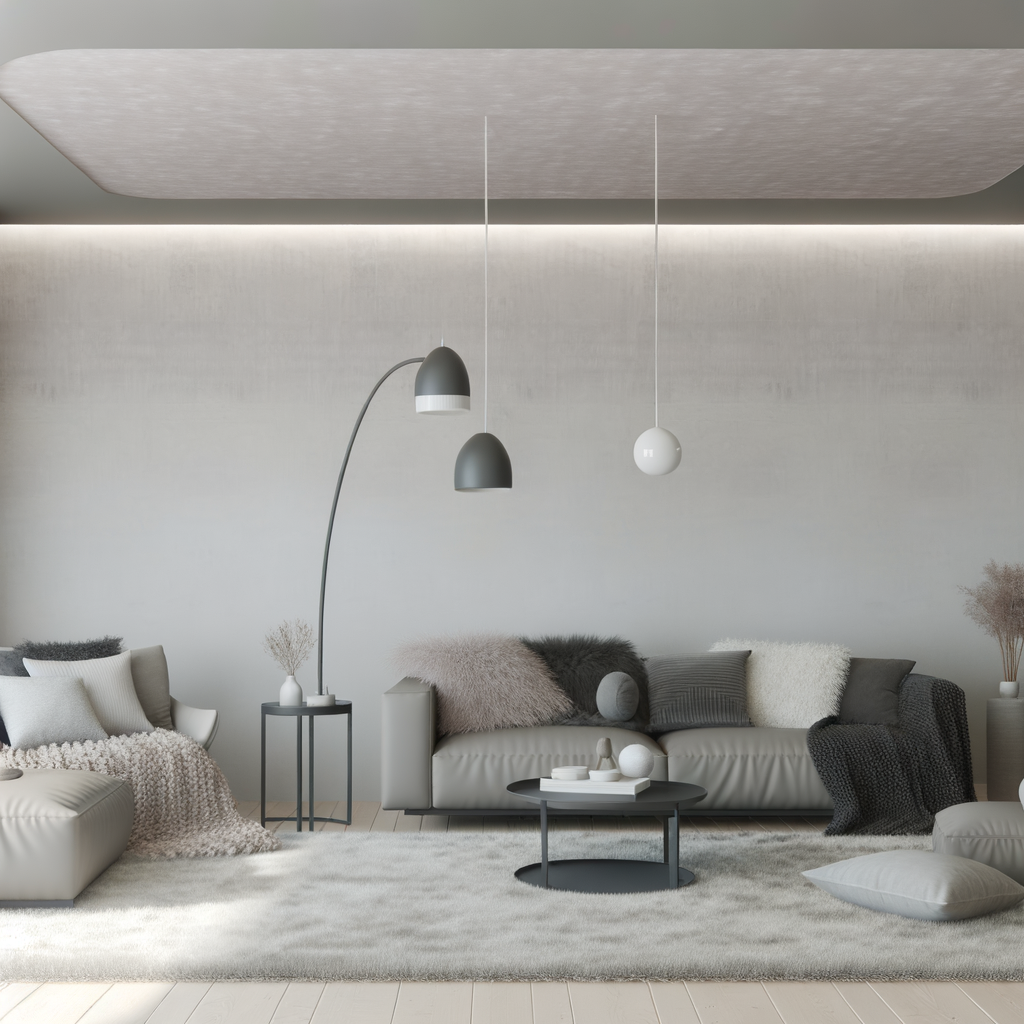
Styling Secrets Behind How to Take Down a Light Fixture from Ceiling
There’s a unique kind of magic in transforming a room—not just with fresh paint or thoughtfully chosen art, but with lighting that truly glows. If you’ve ever found yourself dreaming of swapping out an underwhelming ceiling fixture for something with a little more soul, you’re not alone. Here at Afralia™, we believe that every lighting update is a chance for reinvention. And yes, that means learning how to take down a light fixture from ceiling the stylish (and safe) way.
Whether you’re envisioning sculptural pendants for your dining nook, or a cloudlike flush mount to center your bedroom, removing the old fixture is your first, vital step. It’s less daunting than you think—especially with a few designer secrets and a touch of confidence.

Why Changing Your Overhead Light Can Change Everything
Imagine the gentle sweep of matte brass overhead, scattering a soft amber glow across your entryway table. Or the way a minimalist globe light floats above your dining room—subtle, sculptural, and utterly you. Lighting does more than illuminate; it anchors the mood of a space, lending warmth, elegance, or drama at the flick of a switch.
“The right fixture is like the finishing note in a melody,” says Lena, stylist at Afralia. “It should feel intentional—something that draws the eye, but also softly frames the life happening beneath it.”
Most spaces—especially bedrooms, dining rooms, and front entries—benefit from an upgraded ceiling fixture. It’s the secret to that effortless, magazine-worthy feeling. Don’t be shy about curating a piece that reflects your story, whether it’s geometric and modern or glimmering with bohemian beads.
Explore our pendants to discover statement-making designs for every mood.
Your Step-by-Step Guide: How to Take Down a Light Fixture from Ceiling
Now—let’s pull back the curtain on exactly how to take down a light fixture from ceiling. Think of it as a little design ritual, combining safety, intention, and a dash of hands-on creativity.
-
Flip the switch (literally).
Start by turning off the light from the wall switch, then cut power at your electrical breaker. There’s nothing like the peace of mind from knowing your workspace is absolutely safe. -
Remove decorative elements.
Most fixtures hide their mounting screws with decorative caps or shades. Unscrew glass globes, gently removing any bulbs, shades, or crystals. (This is where a soft towel or basket comes in handy—protect the delicate details that you might want to repurpose.) -
Undo the mounting screws.
Use a Phillips-head screwdriver to loosen mounting screws or nuts that secure the fixture to its bracket or electrical box. You might feel the fixture start to loosen in your hands—steady it with your free hand as you work. -
Disconnect the wiring, step by careful step.
Lower the fixture so you can see the wires connecting it to the ceiling—usually black (hot), white (neutral), and sometimes a bare copper ground wire. Untwist the wire nuts (if needed, photograph the arrangement for reference). Separate the wires.
Tip from a loyal Afralia customer: “I label each wire with a small piece of painter’s tape, so installing my new fixture is a snap.” -
Clean the slate for your next design moment.
With the fixture down, check the ceiling box for loose screws or old paint flakes. Now’s the time to touch up your ceiling or update your mounting bracket for the next fixture—and trust us, your future self will thank you.
Wasn’t that more rewarding than intimidating? Imagine what’s possible now.
Sensory Styling: Beyond the Basics
Choosing the perfect light isn’t just about size or wattage—it’s about what feeling you want to create. Will your hallway shimmer with glass and brass? Does your kitchen crave a wash of linen-filtered light? As noted by Dezeen, layered lighting creates dimension and elegance—small details that breathe soul into a space.
Here’s where personality shines: Maybe you’re swapping the aged flush mount in your primary closet for a modern, sculptural semi-flush with diffused glass. Or perhaps, you’re experimenting with a dramatic chandelier in your double-height stairwell, letting daylight and LED mingle throughout the day.
Remember that beautiful product photo above? It’s a scene worth pinning—the way an Afralia pendant casts golden hour hues across white marble and warm woods. Why not let your own kitchen—or bedroom—borrow that kind of inviting glow?
Need a starting point? Explore our flush mounts to brighten your entryway with contemporary charm.
What Should You Watch Out For?
Here’s a little rhetorical design riddle: what’s the one thing in a ceiling lighting makeover you should never skip?
Safety. Always, always double check that power is off, and if you see old wiring or uncertain connections, don’t hesitate to call a licensed electrician. Your creativity deserves the right foundation.
On the style side, watch out for scale (a tiny fixture can disappear in a vaulted foyer, while an oversize pendant above your kitchen sink might overwhelm the space). Trust your instincts—and if you’re unsure, place a cardboard cutout at ceiling height for a sense of proportion. Let your room’s story be your guide.
For a parade of inspiration and expert tips, we often turn to resources like Architectural Digest—because even the pros draw fresh ideas from the world’s most beautifully lit interiors.
When Every Detail Matters: The Afralia Perspective
At Afralia, we know that changing a ceiling fixture is so much more than a technical upgrade—it’s a tactile, creative act. Our favorites aren’t just about form, but how they feel: the cool weight of frosted glass; the satin of brushed nickel beneath your fingertips; the anticipation as you switch on your new centerpiece for the very first time.
And when your friends walk in, light glancing off the curves of your new fixture, don’t be surprised if they ask: “Did you do something different in here?” The answer is yes—and you did it with style.
Ready for your next design move? Start designing your dream space today.