
What Not to Do When Installing Can Light Fixtures: A Designer’s Warm Guide
There’s a certain kind of magic in well-placed lighting—the kind that spills softly across your kitchen island as you brew an early morning espresso, or the subtle glow that draws your friends toward the dining room, laughter echoing beneath a pool of evening light. At Afralia™, we’ve always believed can light fixtures (affectionately called “recessed lights”) are like the secret rhythm in a favorite song: subtle, but transformative. But as timeless as can lights are, they come with their own quiet pitfalls—traps that can make even the brightest space feel flat. Let’s pull back the curtain, pour another cup of coffee, and talk candidly: What should you *never* do when working with can light fixtures? And how do you get that oh-so-inviting ambiance right?
Overlooking the Basics: Where Can Light Fixtures Shine (And Where They Don’t)
Picture this: you’re setting the scene for your living room, brushing soft linen pillows into place, and suddenly—bam—the ceiling is speckled with glaring downlights, shadows pooling weirdly at the corners. That’s the pitfall of misplacing can light fixtures. These recessed beauties are most at home where you need targeted, ambient lighting: kitchens where slicing and dicing need clarity, hallways that deserve softness rather than drama, or bathrooms craving bright utility.
But let’s pause—do you really want a dazzling grid above your cozy reading nook, or a spotlight above your delicate art? Probably not. Bedroom can lights? Use them sparingly, always paired with softer, tactile pieces—think table lamps with inviting pleated shades from our table lamp collection.
Here’s a tip we love from our customer, Priya: “I added just two can lights above my entryway art, and paired them with an oak console lamp. Now the whole foyer feels balanced—never harsh.”
Design-savvy lesson: Can light fixtures are your canvas for functional light. Use them to illuminate paths, workspaces, and places where clarity matters. Then layer, layer, layer with pendants, sconces, or ambient lanterns for invitation and warmth.
The Common Pitfalls: Can Light Fixtures Gone Wrong
It’s tempting—especially in a clean, contemporary home—to think more is more: that peppering the ceiling with evenly spaced can lights guarantees a luminous space. But as Architectural Digest often features, restraint makes a home feel lived-in and loved, not clinical.
- Don’t overcrowd. Too many recessed lights flatten a room, pulling out the texture and intrigue. Instead, start with a plan. The glow should feel purposeful, guiding your eye across the space like a gentle hand.
- Don’t skip dimmers. Imagine a dinner for two under blazing downlights—romance, gone. Give yourself the option for mood. A simple dimmer transforms a workspace into a cocktail-ready lounge in seconds.
- Don’t ignore placement. Fixtures directly overhead cast unflattering shadows—it’s the ‘horror movie’ effect in the wrong context. Offset can lights from where people sit or stand, and never place them squarely above a mirror or face-level in bathrooms.
- Don’t mismatch color temperatures. Stick to warm (2700K–3000K) for bedrooms and living areas, and cooler (3500K+) for focused zones like kitchens. Inconsistent color temperatures break the spell.
Lena, stylist at Afralia, explains, “Harmony isn’t just about picking beautiful luminaires—it’s about understanding how light draws the eye and anchors your experience. I always advise starting with the emotion you want to evoke. Cozy? Chic? Energizing?”
Designing with Intention: Can Light Fixture Placement and Atmosphere
Maybe you saw that Pinterest-perfect living room: a suede sectional, a hint of matte brass, and can light fixtures peeking unobtrusively from the ceiling. What makes it work? The trick is intention. Space can lights 4–6 feet apart in larger rooms; in narrower corridors, 3 feet is plenty. If you’re lighting a kitchen peninsula, align cans with your workspace (and, for extra drama, pair them with suspended glass pendants from our pendant collection—the layering is irresistible).
Remember, too, that architecture matters. High ceilings soak up light and need a little more output. Lower ceilings call for fewer, softer fixtures. Adjust beam angles to wash walls with light, not just the floor—this gives your room that art gallery ambiance, all softened by your own design touch.
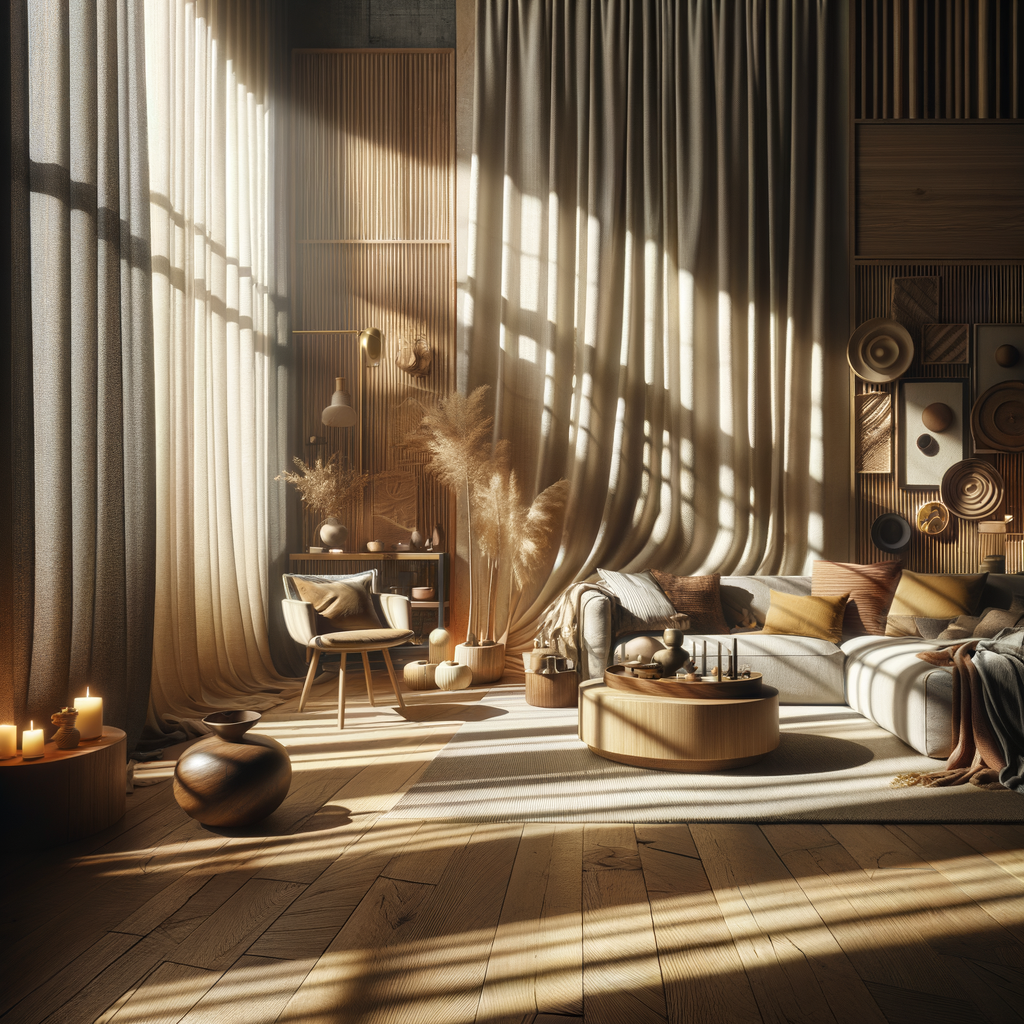
Visual Hook: We love how lifestyle imagery captures the moment a room truly comes alive—not just with objects, but with the way morning light kisses a marble countertop, and a few well-placed can lights keep the shadows soft, even on rainy days.
Installation Wisdom: Stay Safe and Keep It Stylish
We hear it all the time: “Can I do this myself?” The answer is—a gentle maybe. If you’re retrofitting, check for existing wiring and insulation clearances. Many can fixtures require “IC” (insulation contact) rating to avoid overheating. Watch out for joists! Mark your ceiling carefully and use a locator tool so you don’t run into obstacles.
Are you nervous about the steps? It’s perfectly stylish to call in a pro. After all, good design is about collaboration, not just aesthetics. As noted by Dezeen, layered lighting creates dimension and elegance—and that’s worth investing in.
One rhetorical question worth pondering: Would you rather stress over tangled wires, or daydream about your next dinner party under your new fixtures?
Finally, update your bulbs for energy efficiency (choose LED) and always test your layout with cardboard templates or painter’s tape before making any cuts. A little patience means fewer regrets and a ceiling you’ll love for years to come.
Your Beautifully Lit Life: Drawing It All Together
The right can light fixtures bring quiet luxury—a sense that your space is both illuminated and alive, perfectly tailored to your rhythms and rituals. They let your art collections sparkle without distraction, your dinner table glow with joy, and your home rise to every moment, from bright breakfasts to midnight cocoa.
Above all, let lighting be a story you tell—a flick of a switch, a gathering of friends, a private moment of calm. Find your glow.