
What Not to Do When Installing Can Lighting Fixtures
There’s something magnetic about stepping into a room where the lighting simply gets it right—where every surface glows softly, corners are gently defined, and the entire space feels like an invitation. But achieving this magic isn't always as straightforward as popping open a bag of can lighting fixtures and pointing them at the ceiling. At Afralia™, we’ve seen just how quickly things can go astray—whether it’s a kitchen that ends up a clinical glare-fest or a cozy reading nook stuck with awkward shadows.
Gather round: let’s dive into what not to do when working with can lighting fixtures, so your home can shimmer with intention and soul—not just light.
Don’t Overload the Ceiling: The “Swiss Cheese” Syndrome
It’s a common rookie move—dotting your ceiling with can lights until it looks a little too much like a giant slab of Emmental. While these fixtures are a marvel for even, ambient illumination, too many can overwhelm a space, leaving it flat and soulless (think of a bustling airport lounge, not a thoughtfully curated living room).
“When you rely solely on can lighting fixtures, you risk losing that crucial sense of depth and drama,” says Lena, stylist at Afralia. “It’s like serving a meal where every dish is the same—good, but never extraordinary.”
Instead, choose your placements with care. Layer in lighting from other sources—table lamps, sconces, perhaps a pendant that anchors the dining table or mirrors the curve of your bar cart. As noted by Architectural Digest, layered lighting creates dimension and elegance.
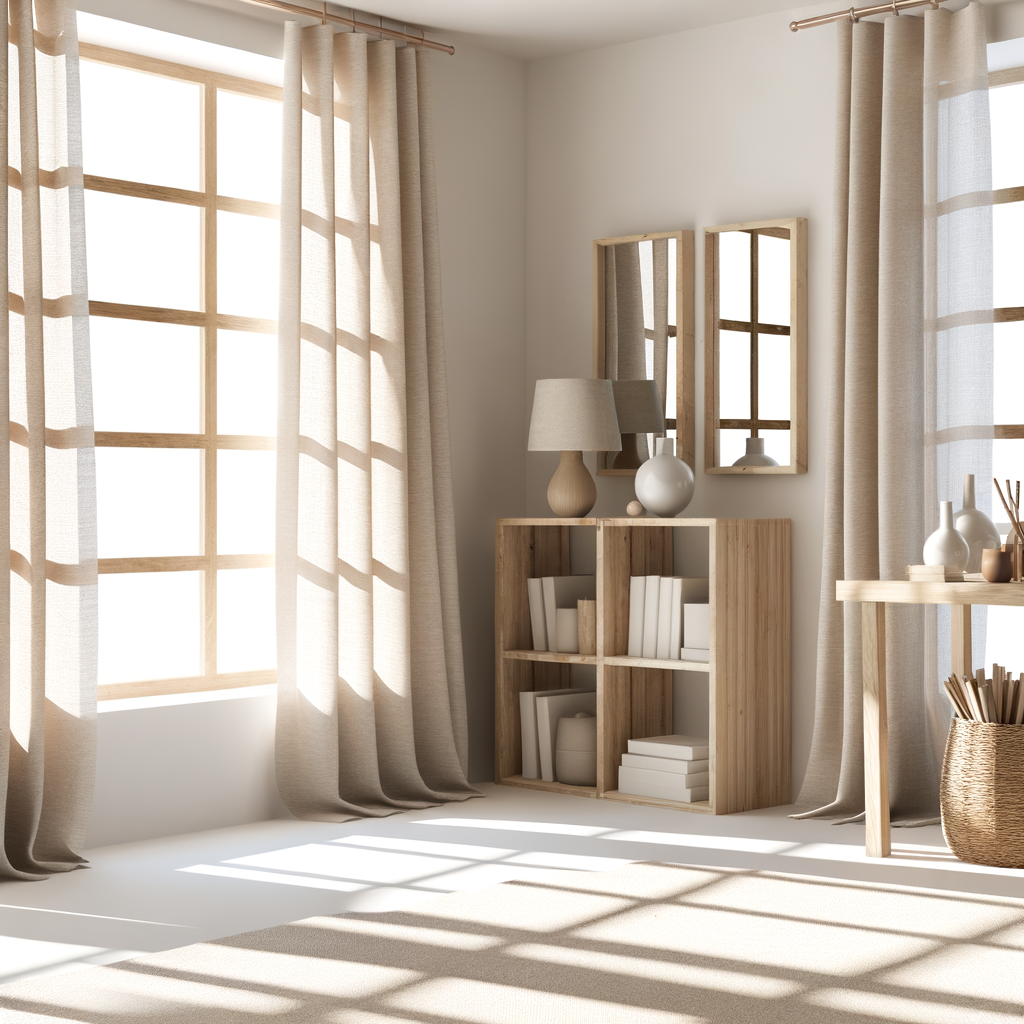
Imagine the difference: In our most-pinned living room scenes, we scatter a trio of warm can lights across the ceiling for ambiance; then add a tactile ceramic lamp on the sideboard and a sculptural wall sconce above your favorite chair. Suddenly the space feels meaningful—just picture yourself curled up with a cup of tea, luminous pockets of light at every glance (see our Visual Hook for inspiration!).
Avoid the One-Size-Fits-All Approach: Choose the Right Fixture & Placement
Not all can lighting fixtures are created equal. Are you designing a cozy bedroom, a bustling kitchen, or an inviting entryway? Each zone calls for consideration—of both form and function.
For instance, you might love a soft, wide-spread beam across your bedroom ceiling to set a restful mood, while the kitchen benefits from focused, task-oriented cans over the counters. Don’t just use one type everywhere—it’s the design equivalent of pairing every meal with the same wine.
Here’s a tip from one of our friends—Claire, who transformed her entryway last season. She paired a statement bowl pendant with two warm can lights, carefully offset from her front door. “It meant guests entered through a soft pool of light, rather than facing harsh overhead glare. It sets the tone before anyone takes off their shoes!” Wondering which styles spark the right vibe for your own space? Explore our flush mounts to brighten your entryway for a more inviting welcome.
Don’t Forget About Dimming and Color Temperature
The question we always ask: “What mood do you want to create?” This is where dimmers and the right color temperature become your secret styling allies. Too often, we see homes awash in icy, unyielding white—beautiful for a laboratory, far less so for midnight reading or parties that drift into the early hours.
Whenever possible, wire your can lighting fixtures to a dimmer. Picture hosting a dinner—lights gleaming at their brightest as you’re prepping, then softened to a golden glow when guests arrive. That gentle amber bath across matte brass finishes and textured textiles? Utter magic.
As a rule of thumb, 2700K–3000K bulbs work wonders for bedrooms, living rooms, and dining nooks, lending just enough warmth to make everyone look their best. For kitchens or workspaces, you can go slightly cooler, but please—no spaceship-worthy blue.
Don’t Skip the Spacing and Layout Math
Ever walk into a room where shadows seem to pool in all the wrong corners, or your art pieces are bathed in more light than the dinner table? While it’s tempting to just “eyeball it,” thoughtful layout makes all the difference. Here’s the general rule: space can lighting fixtures apart at roughly half their wattage in feet—for example, 4-foot spacing for an 8-watt light (but always check your product’s specs).
When in doubt, sketch it out. Use painter’s tape on your ceiling to mock up placement—it’s oddly satisfying, and gives you a sense of how the light will fall. Above all, avoid putting them in a perfectly symmetrical grid unless your space truly calls for that modernist, gallery vibe. A little asymmetry adds soul.
One more pro tip: steer clear of positioning cans too close to walls, which can cast unflattering scallop patterns and weird shadows. Instead, give a little breathing room, especially if you’re highlighting a piece of art or textured wall finish.
Don’t Neglect Insulation, Ventilation, and Safe Installation
Here’s where we get a touch technical, but trust us—it’s for your (and your ceiling’s) well-being. When installing can lighting fixtures, always check if you need IC-rated cans (that means “Insulation Contact,” vital for spaces where the light housing touches attic or wall insulation). Using the wrong fixture can lead to overheating or—yikes—fire risks.
Opt for airtight cans in draft-prone areas to prevent precious heat (or cool air) from leaking away. And unless you’re a confident DIYer with electrical experience, we always recommend calling in a trusted pro for installation.
Imagine flipping the switch and basking in a perfect, even glow—knowing every detail is considered, every wire safely tucked away. Is there any better feeling?
Let Your Can Lighting Complement, Not Command
The best rooms feel balanced—lit to life, never flooded by one source alone. Use can lighting fixtures to provide backbone and fill, but lean into layers, textures, and moments of deliberate contrast. A matte black sconce, a shimmering glass pendant, a vintage-style bulb—these pieces tell your story.
Our lifestyle imagery (Visual Hook!) shows this beautifully: soft halos from can lights highlight a velvet sofa’s curve, while a gleaming brass lamp draws the eye in. It's these thoughtful compositions that transform ordinary rooms into spaces that linger on Pinterest boards for months.
Remember: when it comes to can lighting, restraint, creativity, and a dash of personality win every time.
Start designing your dream space today.