
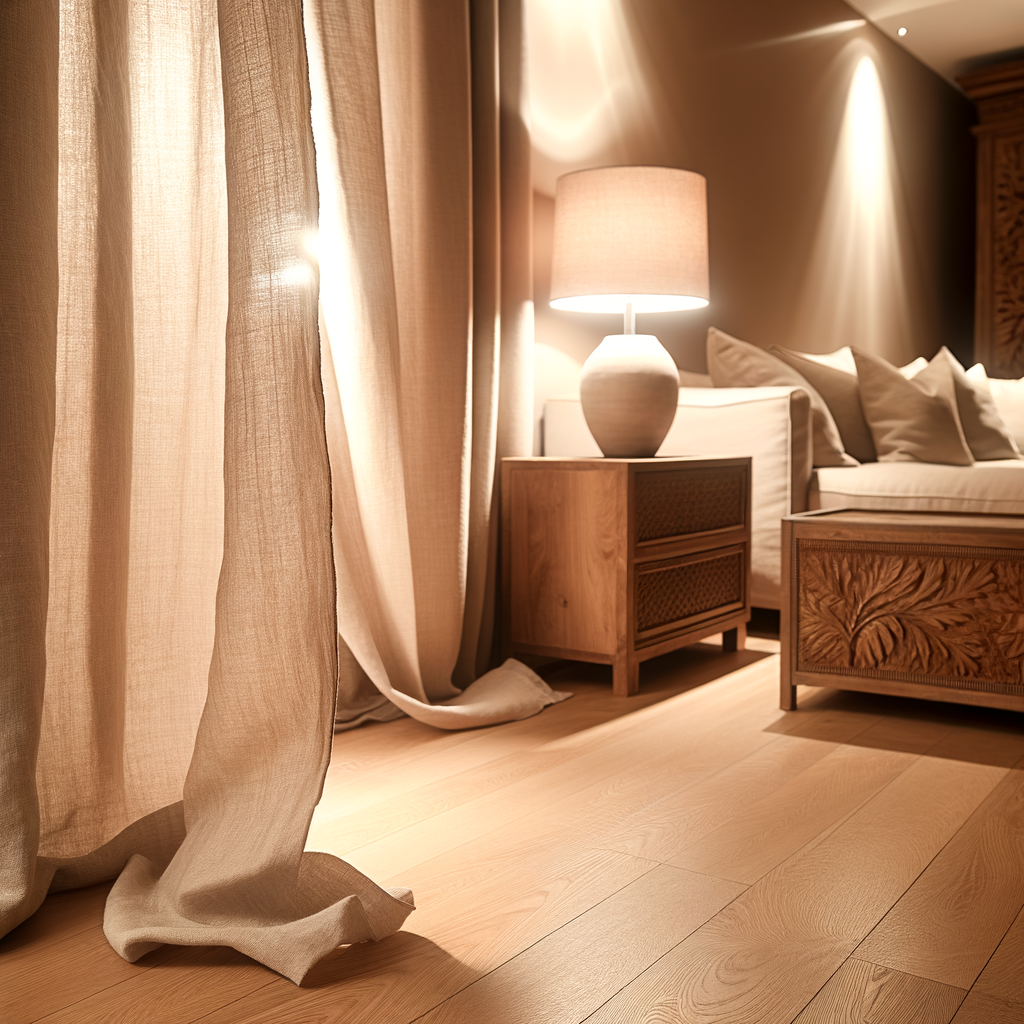
What Not to Do When Connecting a Light Fixture: Your Guide to Mistake-Free Glow
There’s a certain flicker of excitement—pun intended—when you’re about to install a new light fixture in your space. Maybe you’re imagining a handblown glass pendant hovering gracefully over your dining table, or a sculptural flush mount setting the tone in that airy entryway. The promise of soft pools of light and statement silhouettes is irresistible.
But for every dreamy “before and after” on Pinterest, there’s a tangle of wires or a lopsided shade waiting for the unwary. At Afralia™, we’re all about elevating atmosphere—but we’ve seen our share of avoidable missteps. So let’s dive into what not to do when learning how to connect a light fixture, so you can transform your space with confidence (and style).
Don’t Forget to Plan—Lighting is All About Layers and Placement
Before you unwrap that alabaster sconce or put down roots for a rattan pendant, pause. Connecting a light fixture isn’t just about wires; it’s about intention. Where will it cast the most inviting glow? Is the scale right for your bedside or will it drown a cozy nook in glare?
Lena, stylist at Afralia, puts it this way: “Lighting should be felt as much as seen—it draws the eye, but it also cocoons a room. Good placement can turn a basic fixture into pure magic.”
Picture this: It’s a golden afternoon, you’re reading by the window. Above you, a fixture in brushed nickel hovers, the light softening every page. Placement matters! As noted by Dezeen, layered lighting creates dimension and elegance. Are you lighting the center of a dining room for memorable gatherings? Or adding a gentle shimmer beside the bed for winding down at night? Choose a fixture (and a spot) that makes everyday moments feel special.
Customer tip: “I placed a pair of frosted glass sconces on either side of my hallway mirror, and it totally changed my getting-ready routine. It’s not just about looks—it’s about how the light makes you feel.”
(Visual hook: Imagine these moments, inspired by lifestyle imagery—a cluster of pendants over a kitchen island, throwing patterns across the tiles, guests swirling around with drinks, all caught in the golden wash.)
Common Mistakes When Learning How to Connect a Light Fixture
Now, let’s go hands-on. Even if you’re handy, a lighting slip-up can dim more than just your mood. Here’s what not to do when connecting a light fixture—so your project stays bright from start to finish:
- Skipping the Turn-Off: You’d be amazed how many hopeful DIYers forget to cut the power at the breaker (not just the wall switch). Trust us—flickering bulbs are dreamy; unexpected sparks, not so much.
- Winging the Wiring: Many fixtures have three wires: hot (often black), neutral (white), and ground (green or bare). Match colors, twist connectors tight, and never leave copper exposed. If your wires look old or frayed—pause and consult a professional.
- Ignoring Ceiling Canopies or Mounting Brackets: That matte brass canopy covers a multitude of sins…if installed right. Don’t let it hang loosely or wobble. A sturdy bracket keeps everything safely anchored—no drooping fixtures in your serene bedroom.
- Overlooking the Bulb Game: Not all bulbs are created equal. Use the right wattage (hot tip: LEDs bring warmth without overheating). Want ambiance? Try a soft amber, especially for bedside or lounge areas where the light should be gentle and welcoming.
- Forgetting Height: Chandeliers should hang lower over a dining table (usually 30-36 inches above) but higher in a hallway. A fixture hung too high or too low can throw the balance of the whole room.
Have you ever seen a statement pendant hung just out of reach or a dramatic fixture that blocks a beautiful view? It’s a reminder that a few inches matter—sometimes more than you’d imagine.
Safety and Aesthetics: Learning How to Connect a Light Fixture Like a Pro
Of course, a light fixture isn’t just a pretty face—it’s wired for a purpose. So while your hands might be itching to twist and tighten, a touch of prep saves headaches down the line.
Always:
- Check the Weight: Some lush, sculptural pendants (especially with crystal or ceramic detail) need extra ceiling support. Don’t skip reading the manufacturer's specs—they’re your blueprint for a setup that lasts.
- Look for Certifications: Ensuring your fixture is UL-listed or CE-certified gives you peace of mind. Especially good for bathrooms or kitchens, where moisture lurks.
- Test Before Final Touches: Once wired, gently test before fully mounting. A tiny adjustment could be the difference between a fixture that tilts and one that stands proudly center stage.
- Call When You Need To: There’s no shame in calling an electrician for a tricky install, an old house, or a particularly ambitious chandelier. You’re designing beauty—don’t let stubbornness dim your results.
Need inspiration for your next install spot? Explore our pendant lighting collection to find a look that transforms a breakfast nook or anchors a high-ceilinged foyer.
Creating Atmosphere: The Finishing Touches Matter
Once your fixture is secure and shining, it’s time to set the mood. Much like adding the final flourish to a layered tablescape or fluffing pillows on a cloud-soft bed, lighting finishes the story of your room.
- Choose Your Bulb Texture: Think matte opal for subtle shimmer, clear glass for a jewel-box effect, or smoked for dramatic twilight.
- Consider a Dimmer: The difference between a bright workspace and a relaxed dinner party? A quick slide of a dimmer—elegant, effortless, and adaptable.
- Use Fixtures as Art: In small spaces, a bold sconce or playful flush mount doubles as sculpture. Try them in entryways, cozy reading corners, or above a statement gallery wall.
Rhetorical moment: Isn’t it incredible how the right lighting can gently wake you, encourage laughter over dinner, or bring calm at midnight?
For more inspiration, browse our flush mounts to brighten your entryway or explore global influences that feel right at home.
What to Remember When Learning How to Connect a Light Fixture
In the end, connecting a light fixture is equal parts technical and artistic. Slow down, enjoy the process, and always trust your eye. The silky texture of a matte brass shade, the way the light pools on a terrazzo table, the small thrill of flipping the switch and bathing your sanctuary in a new mood—these are the moments that make a house yours.
For more ideas on shaping your space with beauty and intention, keep exploring design-forward spaces at Architectural Digest.
Start designing your dream space today.