
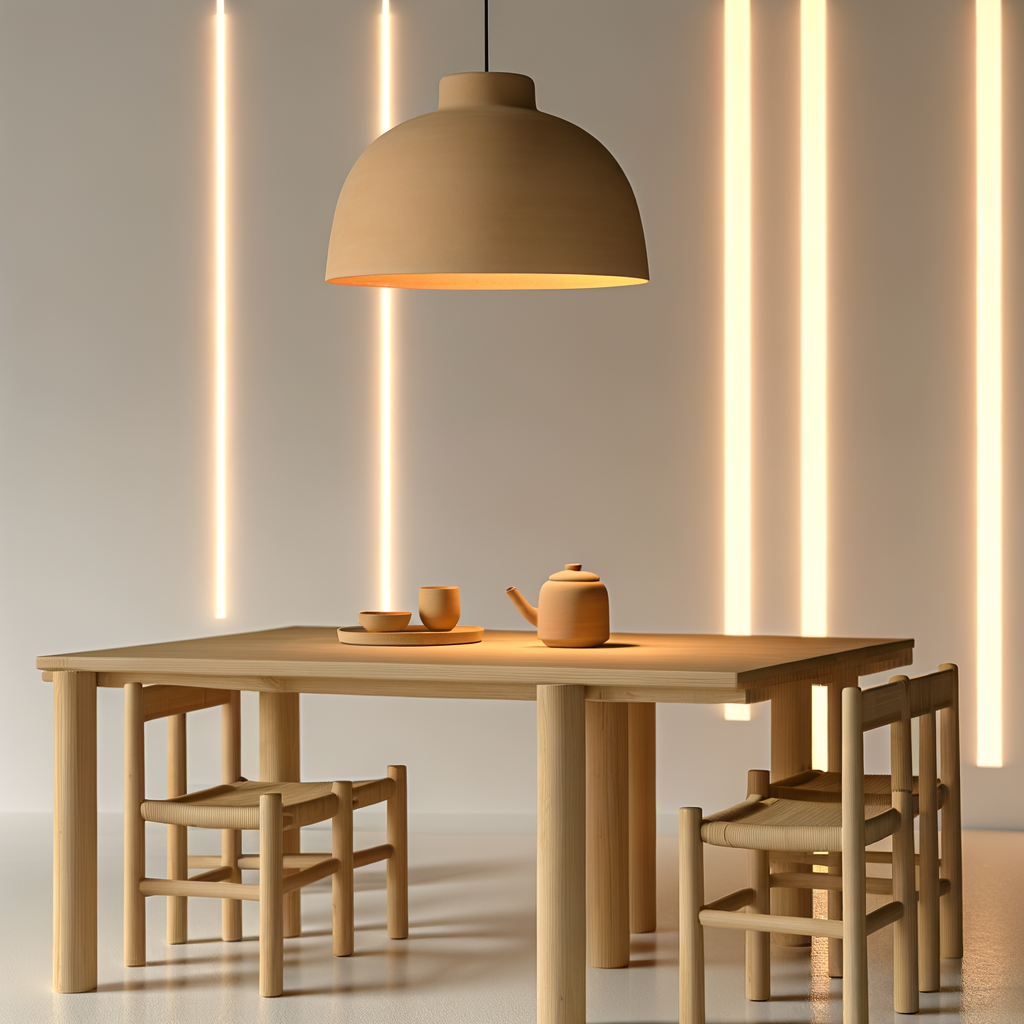
What Not to Do When Installing a Pendant Light Fixture
There’s something quietly magical about the moment a new pendant light flickers to life. The right pendant is more than functional—it’s jewelry for your home, casting pools of warmth and drawing the eye, whether it sways gracefully above a dining table or anchors your entryway with a welcoming, golden glow. But as anyone who’s ever wielded a screwdriver and crossed their fingers will tell you, the journey from box to brilliance is paved with little missteps. Today, we’re talking not just about how to install a pendant light fixture, but—just as crucially—what not to do along the way.
Imagine the soft, filtered light diffusing over your countertops, the subtle matte brass catching the sunrise as you tiptoe in for coffee. Now, imagine the frustration of getting all the way there, only to realize…something’s off. The scale. The location. The wiring. Let’s make sure your installation is a story of delight, not regret.
Avoid these Common Mistakes When Hanging a Pendant Light Fixture
Designers agree: gorgeous lighting deserves a beautiful home—but even the most luxurious fixture can falter if certain steps are skipped. As Lena, stylist at Afralia, likes to say, “Light needs both care and context. The smallest tweak—a few extra centimeters’ height, a bolder bulb—can transform a room’s mood entirely.”
So, before your pendant transforms your space, be wary of these classic detours:
- Don’t ignore the scale and proportion. That sleek, sculptural globe may look stunning online, but will it overwhelm your petite breakfast nook? Or conversely, disappear in your lofty hallway? One customer shared her tip: tape a paper circle to the ceiling where you plan to hang the pendant. Step back. Does it fill the space, or float awkwardly like a lone moon?
- Resist the urge to “eyeball” placement. Lighting at the wrong height can cast unflattering shadows or get lost altogether. Over dining tables, a pendant should usually hover 75–90 cm (about 30–36 inches) above the surface. In an open area or bedside nook, adjust so the light draws the eye—never the bump to your head.
- Double—and triple—check wiring and support. It’s tempting to skip reading instructions (who among us hasn’t?), but with lighting, safety is non-negotiable. Use a voltage tester. Switch off the circuit. If your pendant’s weight is substantial, make sure the ceiling box can support it. And when in doubt? Bring in a professional. The alternative just isn’t worth it.
- Don’t underestimate dimmable options. The right dimmer can turn harsh utility into soft, enveloping atmosphere. As seen in a recent lifestyle shoot—the Visual Hook we adored for its cozy, linen-draped reading nook—a gentle, dimmed pendant transformed the whole evening mood.
Where Your Pendant Can Shine Brightest
Picking the right pendant is about more than aesthetics; it’s about creating a sensory experience tailored to your routine. Picture your favorite pendant casting a soft glow in a reading corner, illuminating a kitchen island as you dice herbs for dinner, or welcoming friends from above in the foyer.
The golden rule? Let function and emotion guide the where and why. Dining rooms invite larger, statement pieces—a story told above wine glasses and laughter. Entryways love sculptural silhouettes that greet and intrigue. In bedrooms, a pair of modest pendants above nightstands frees up space and infuses intimacy—like a gentle chandelier at bedside.
As noted by Dezeen, layered lighting creates dimension and elegance. Why not let a pendant be the hero, accented by sconces or table lamps?
How to Install a Pendant Light Fixture: Mistakes to Mind
Here’s the part where warm inspiration meets a little grounded know-how. When it comes to actually installing a pendant, a gentle hand, patience, and precision are as essential as the style you choose. Let’s make sure you don't trip on these often-overlooked details:
- Skipping the circuit switch-off. It’s so tempting to just get started, especially when daylight pours in and enthusiasm’s high. But always, always cut the power at the breaker before you begin. Test the wires to ensure there’s zero live current before touching anything.
- Assuming universal compatibility. The old fixture’s bracket might not always fit your new pendant—especially if you’re upgrading to something weightier or with a different canopy style. Lay out all hardware and components first, and be ready to patch or repaint, just in case.
- Overlooking canopy coverage. Will your new canopy cover the old hole entirely—or will you be left with unsightly gaps? This detail, small as it is, can make or break the finished look. (Rhetorical pause: Isn’t it funny how often the “little things” are what you notice most, mid-project?)
- Choosing the wrong bulb temperature. That “cool white” LED might look sterile compared to the soft amber of vintage-inspired bulbs. Don’t forget, the right bulb isn’t just practical—it’s a styling choice all its own.
The Finishing Touch: Style, Test, and Enjoy
Once you’ve secured your pendant in place and gently installed the perfect bulb, pause and enjoy the soft unveiling. Take a step back. How does the interplay of metal, glass, and shadow shift throughout the day? One of our lifestyle imagery favorites shows a family pausing under their new cluster of pendants, laughter bouncing gently between soft pools of light. The effect is transformation, pure and simple.
Consider styling your pendant with a grouping of fresh-cut greenery on the table beneath, or with a vivid rug drawing out subtle tones in the fixture. If you’re inspired to explore beyond pendants, discover our wall sconces for a layered, gallery-like glow in hallways or reading zones.
And finally, celebrate what you’ve created. Lighting isn’t just a practical upgrade—it’s a daily invitation to slow down and savor. Lena, stylist at Afralia, puts it best: “Every room tells a story. Pendant lights are your punctuation—sometimes bold, sometimes softly trailing—but always intentional.”
Ready to cast your glow? Explore our handpicked lighting pieces.
For more design inspiration and global trends in lighting, browse favorites at Architectural Digest.