
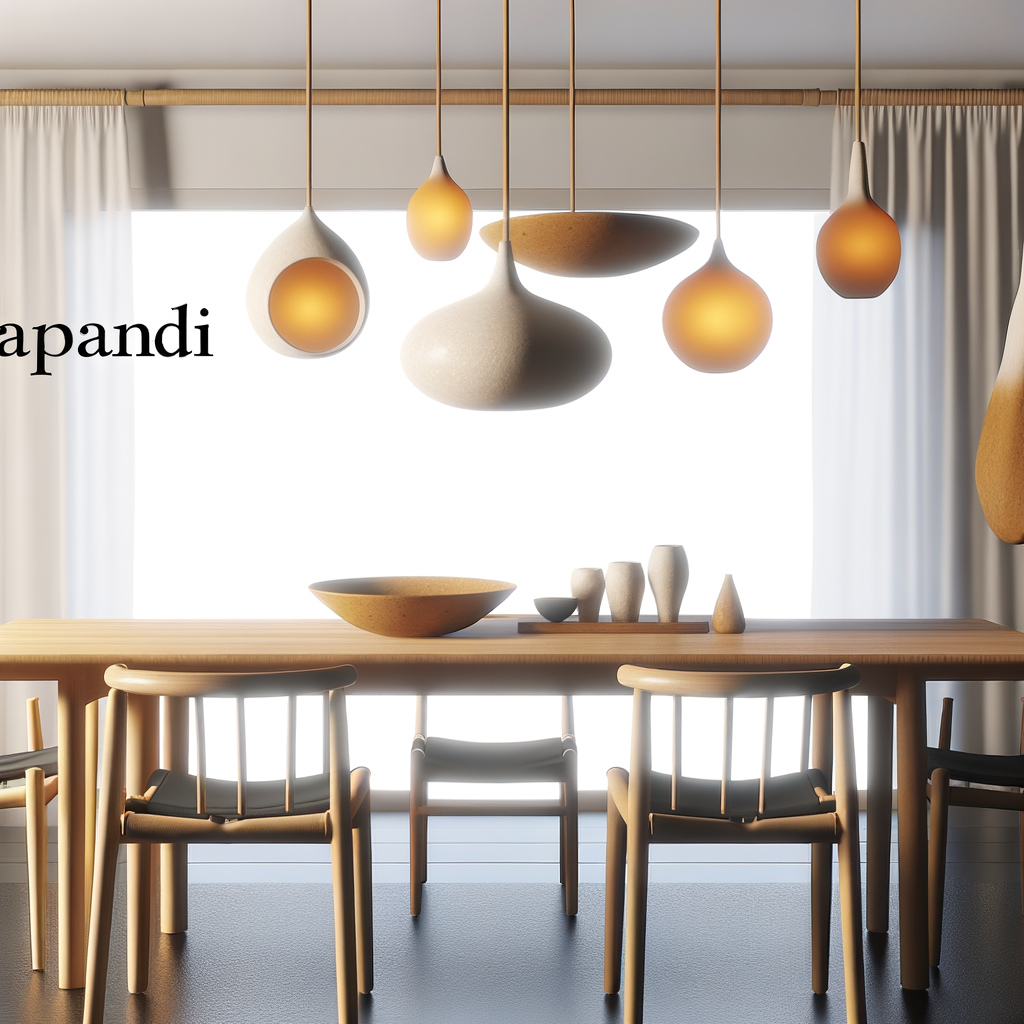
What Not to Do When Choosing Pendant Light Fixtures
Picture this: golden morning sunlight spills into your kitchen, but the effect is muddied by a single too-bright spotlight hanging overhead—one that’s not quite pendant, not quite purpose. If there’s any lighting fixture that holds the power to both enchant and overwhelm a room, it’s the pendant. But what is a pendant light fixture exactly, and what missteps should you avoid to truly let it shine? Grab a coffee, and let’s chat design—sensory and soulful, just as spaces should be.
First, What Is a Pendant Light Fixture?
A pendant light fixture, at its simplest, is a single light suspended from the ceiling by a cord, chain, or sometimes a slender rod. Unlike flush or semi-flush mounts, pendant lights drop lower—sometimes making that sculptural statement we all crave. Imagine a glass orb casting delicate shadows above a dining table, or a trio of matte porcelain pendants warming up a reading nook.
These fixtures do more than illuminate; they draw the eye and anchor a space, offering functional glow and a splash of personality at once. Think: the soft amber pools above a kitchen island, or a bold silhouette greeting guests in the entryway.
Avoid These Common Pendant Lighting Mistakes
With so many shapes and materials—it’s easy to get swept up in trends. But pendant lighting mistakes are common, even among design enthusiasts. According to Lena, stylist at Afralia™, “The pendant is the jewelry of your home. Get it right, and the entire room becomes more harmonious. Get it wrong, and the effect can be jarring—like mismatched earrings.”
So, what not to do? Let’s illuminate the top pitfalls (and how to gracefully sidestep them):
Don’t Skimp on Placement or Proportion
Have you ever walked into a dining room where the light overhead seems to float somewhere between “lost balloon” and “looming spacecraft”? Pendants should coordinate with the ceiling height and the scale of your furnishings.
- Above the Dining Table: Your pendant should hover around 30–36 inches above the tabletop—low enough for intimate ambiance but high enough to allow conversation (and eye contact) to flow.
- In the Kitchen: If you’re lighting an island or counter, let your pendants drop just enough to gently illuminate the surface, typically about 30–34 inches from the surface. Avoid crowding—space them evenly for a balanced effect.
- Entryways or Tall Ceilings: A larger pendant draws the eye up and makes a statement, but don’t let it hang so low that it interferes with the natural flow of movement.
It’s tempting to chase that Pinterest-perfect look, but your room’s proportions matter most. (Speaking of which, have you seen our modern pendants styled in high-ceiling foyers? The lifestyle imagery tells a thousand design stories.)
Don’t Neglect Layers and Lumens
Pendants are marvelous for their atmosphere, but they work best as part of a layered lighting plan. Layering means combining ambient, task, and accent lighting across a room—so your pendant can do what it does best without trying to be a jack of all trades.
As noted by Dezeen, layered lighting creates dimension and elegance. Don’t let your pendant bear the burden of lighting the whole room. Pair it with wall sconces, or let recessed lights pick up the slack during dinner parties or kitchen marathons.
What happens if you rely solely on your pendant? You might find your work surfaces or cozy corners stuck in the shadows, or your eyes squinting under a harsh, direct glare. Always check the fixture’s lumen output and use smart dimmers where possible. Versatility is a mood-setter’s best friend.
Don’t Forget Function for the Sake of Style
We’re all guilty of falling for a beautiful form, but pendant lights should suit your real life too. Is the fixture closed underneath? That could cast a warm pool directly downward—perfect for a dining nook—but leave the rest of your hallway too dim for finding keys after dark. Is your pendant open? Gorgeous for an airy kitchen, but beware of visible, glaring bulbs (opting for frosted or dimmable options helps).
One customer tip we love: “After swapping our kitchen pendants for open, globe-style glass, I realized the bulbs were a bit exposed. Afralia’s team suggested warm, vintage-style LEDs—suddenly, everything felt relaxed and welcoming.” Sometimes, small choices change the mood entirely.
The Little Details Matter—Cord, Canopy, & Finish
Ever notice how even a beautiful pendant can feel “off” if the cord is too short or too long? Always adjust the drop length before final installation. And for the most polished effect, coordinate the canopy and cord color with your space. Matte black melts into dark ceilings; brushed brass adds a dash of luxury above a marble-topped island. Contrasts can be stunning, but visual harmony is always timeless.
Are you considering a modern update? Explore our pendant lighting collection for inspiration, and imagine how each piece could cast a signature glow—bedside, over the breakfast bar, or even as a dramatic statement in the hallway. Or, for a subtler silhouette, browse our wall sconces to complement your new pendant.
Curating Light, Curating Life
Choosing the perfect pendant isn’t just about style, nor is it only about technicalities—it’s about how you want your space to feel. Will you tuck a gentle globe beside your bed for late-night reading? Or let a sculptural cluster float above your breakfast table, casting golden hour light on slow Sunday mornings?
When you invite a pendant light into your home, you set the mood for stories yet to come. Why settle for getting it “almost right” when the magic lies in the details?
Start designing your dream space today.