
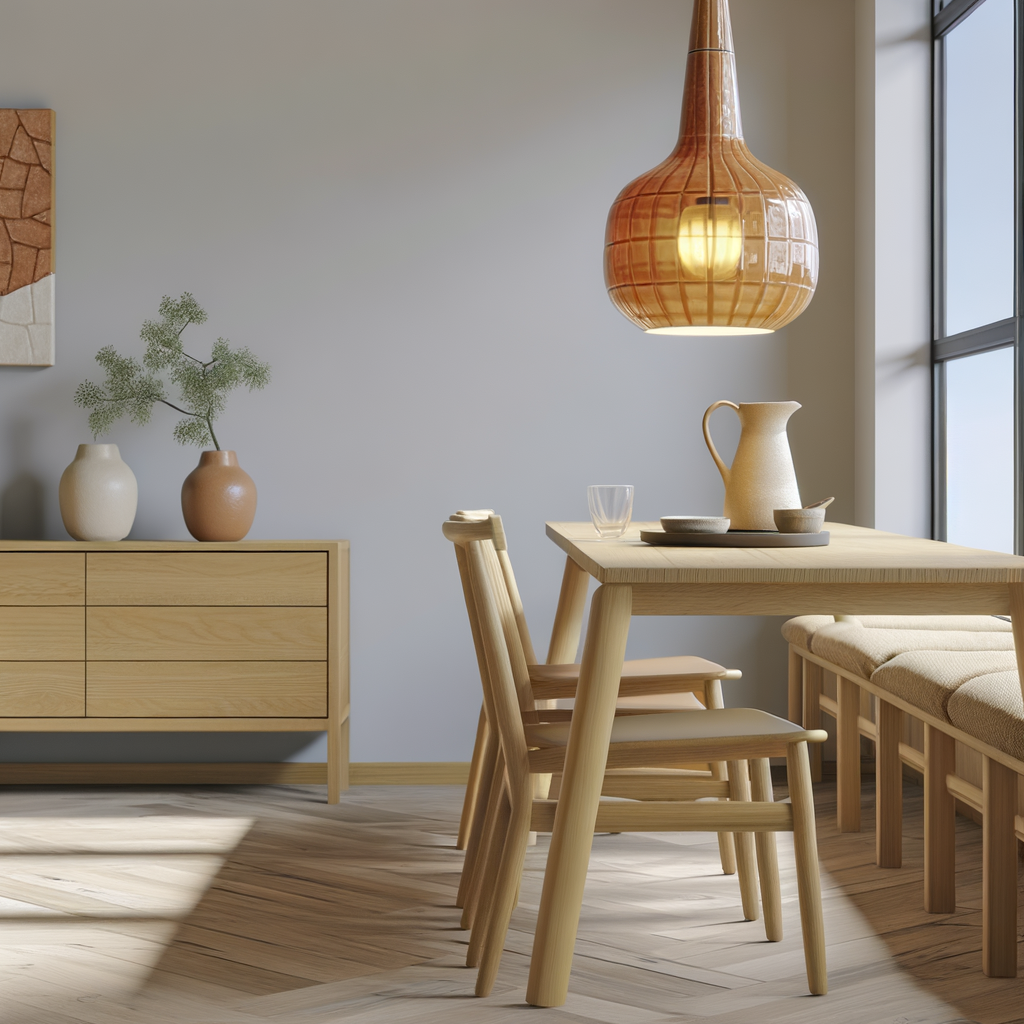
DIY vs Pro: How to Install a Pendant Light Fixture
There’s a moment—right before you flip the switch—when your new pendant light fixture is finally suspended, casting a soft, inviting pool of light. Maybe it’s in your dining room, ready to set the stage for laughter-filled dinners, or above your bed, where it punctuates the cocoon you’ve curated for yourself. But before you reach that delicious moment of atmosphere, there’s an all-important question: should you install a pendant light fixture yourself, or call in a professional?
At Afralia™, we’re endlessly inspired by the way lighting can transform a space—how a sculptural pendant draws the eye or how a warm, layered glow makes guests linger a little longer. Pendant lights, especially, make a statement wherever they hang: above kitchen islands, illuminating workspaces, lining long hallways, or conjuring allure in a high-ceilinged entryway. But bringing that vision to life requires a bit of know-how…and just a little bravery.
How to Install a Pendant Light Fixture: The Basics
The heart of installing a pendant light is a surprisingly tactile process. You’ll feel the cool weight of the fixture in your hands, run your fingers along the woven fabric cord, and hear the gentle click as you test the switch. But in practical terms, installation involves three core steps: prepping the space, wiring the fixture, and mounting it safely.
Here’s a quick look at the general process:
- Turn off power at the breaker—safety first, always.
- Remove the old fixture if there is one, noting the wire connections.
- Connect your new fixture’s wires (typically color-coded) using wire nuts: black to black (live), white to white (neutral), ground to ground.
- Secure the mounting bracket, attach the canopy, adjust cord height, and finish with your favorite bulb.
Hearing it spelled out, it’s almost like a recipe. But of course, real rooms (and real humans) can throw in a few surprises along the way. So, should you DIY it—or call in a professional? That’s where the art of decision comes in.
DIY vs Professional Installation: A Side-by-Side Comparison
To help you see at a glance what's involved, we’ve put together a clear visual comparison chart—an instant Pinterest save for your next project brainstorm.
| DIY | Professional |
|---|---|
|
Cost: Lower (just tools + fixture) Skills: Basic wiring, ladder safety, patience Convenience: Schedule on your time Pride Factor: Off-the-charts |
Cost: Higher (labor fees) Skills: No DIY needed Convenience: Fast & stress-free Pride Factor: It just works, instantly |
| Best for simple swaps, standard ceilings, and the hands-on curious | Best for high ceilings, tricky wiring, or guaranteed peace of mind |
Lena, stylist at Afralia, encourages: “Your home tells your story. Sometimes, rolling up your sleeves to install that pendant above your bedside table is as rewarding as styling the space itself. But knowing when to trust an expert is its own wisdom—especially with heritage plaster or unique wiring.”
DIY: When to Do It Yourself (and How to Do It Well)
If your ceiling is standard height, the wiring is straightforward, and you’re swapping out an old fixture for a new statement pendant, DIY can be oddly satisfying. The hum of activity, the slight whiff of new metal and fabric, that buzz of possibility in the air—you’re part designer, part craftsman.
Let’s be honest: Are you the sort who relishes matching wire colors and measuring mounting plates, or do directions give you mild stage fright? If you’re comfortable with a screwdriver, a voltage tester, and a stepstool, you might just surprise yourself with what you can accomplish. But always remember:
- Double-check power is off at the panel—not just at the switch.
- If your home is older—or if the wires look frayed or mysterious—call a pro.
- Enlist a friend to help with high or heavy fixtures.
- Take your time adjusting the pendant’s drop height for the perfect visual tension — not too low, not too high.
Our customer Mona from Cape Town shared: “We installed two pendant lights in the entryway ourselves. We turned it into an afternoon project, playlist on, coffee breaks, and that magical feeling when you flick the light and everything just glows.”
DIY works best for straightforward jobs—think dining rooms, bedrooms, or kitchens with modern wiring, especially when you’re swapping like for like. If you crave an especially lush, multi-level look, you might even layer different chandeliers and pendants, drawing cues from the masters at Dezeen, where lighting artistry is celebrated.
When (and Why) to Hire a Pro for Your Pendant Light Installation
On the other hand, there are times when a professional touch is indispensable. Got extra-high ceilings that make your stomach flip just looking up? Are the electrical boxes or grounding wires a head-scratcher? Planning to install a heavy, sculptural piece above your stairway? It’s time to toast the pros.
You’ll gain peace of mind, insurance coverage, and—in some regions—a code-compliant installation that could protect your investment. Plus, a skilled electrician can spot opportunities to reinforce your mounting or hide those pesky extra wires for a seamless result.
As noted by Architectural Digest, a professional-grade installation not only brings safety and polish, but also enhances the architectural drama of a room—especially where pendant lights anchor open-plan spaces or statement dining tables.
Imagine the relief of watching your new matte brass or soft glass pendant casting gorgeous shadows as the pro does a final bulb check. It’s like arriving at your own opening night, all anticipation, zero anxiety.
Choosing the Perfect Spot for Your Pendant Light Fixture
Whether you’re tackling it yourself or calling in help, picking the “just right” spot for your pendant is wonderfully tactile. In the dining room, a pendant should hover 30–36 inches above the table—high enough for sightlines, low enough to gather people in a pool of light. In the bedroom, place one above each nightstand, freeing up space and drawing soft focus. An entryway pendant sets an instant tone—welcoming guests with style.
Here’s a rhetorical pause: Have you ever noticed how the right light fixture can make even an ordinary Thursday feel extraordinary?
Try this: tape a balloon or string at different heights before you drill—catching the way the sun changes, feeling how your gaze sweeps the space. Design is deeply physical, after all.
Round-Up: Which Path Is Right for You?
Ultimately, knowing how to install a pendant light fixture is as much about intuition as skill. The choice between DIY and professional installation often comes down to the complexity, your confidence, and the story you want to tell in your space.
Bookmark our comparison chart above and revisit it as your projects evolve—it's a quick-glance guide that's as useful as it is inspiring. If you need help choosing the perfect piece, explore our pendant lights and let your imagination take flight.
Start designing your dream space today.